
Dating photo mistakes
Most dating photo problems are boring and fixable.
A profile usually does not fail because every photo is terrible. It fails because the lineup creates doubt: unclear face, old photos, repeated angles, or images that feel disconnected.
One person. Four different jobs.
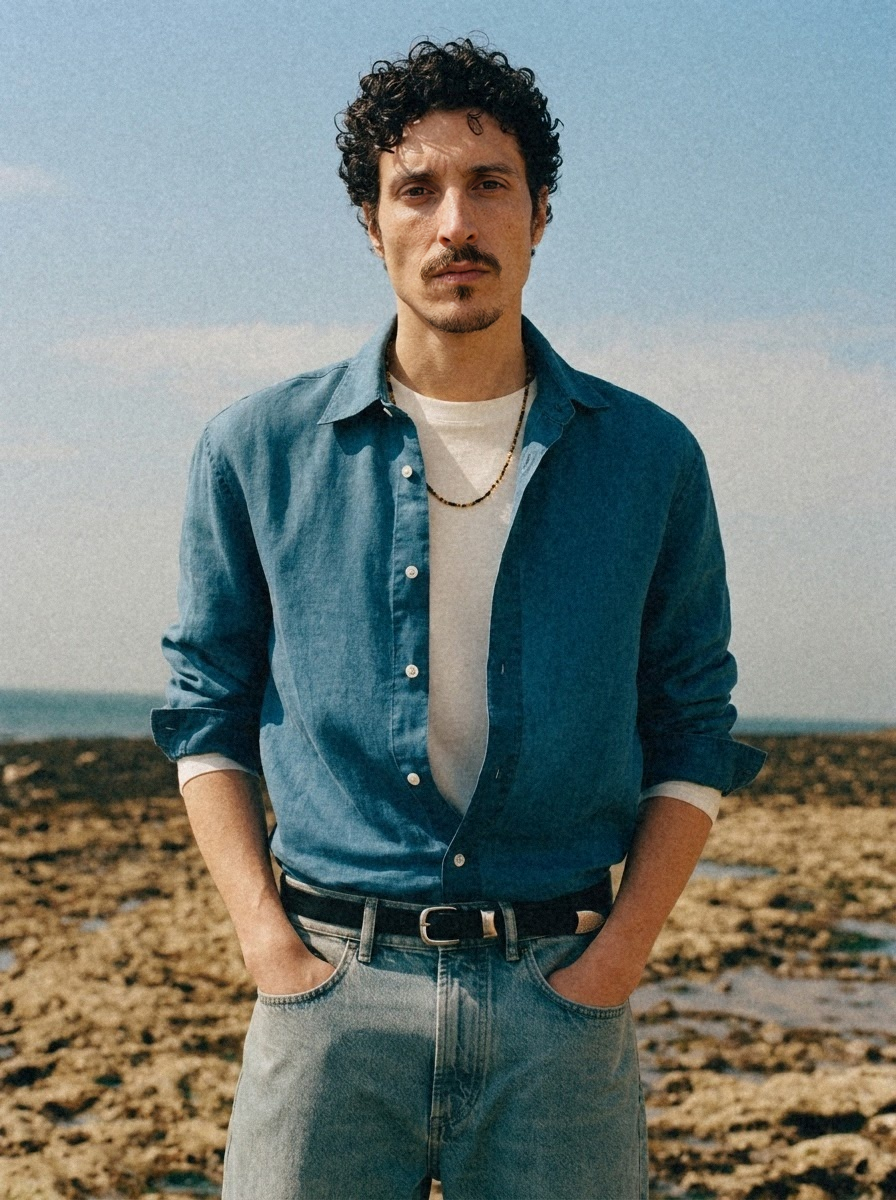
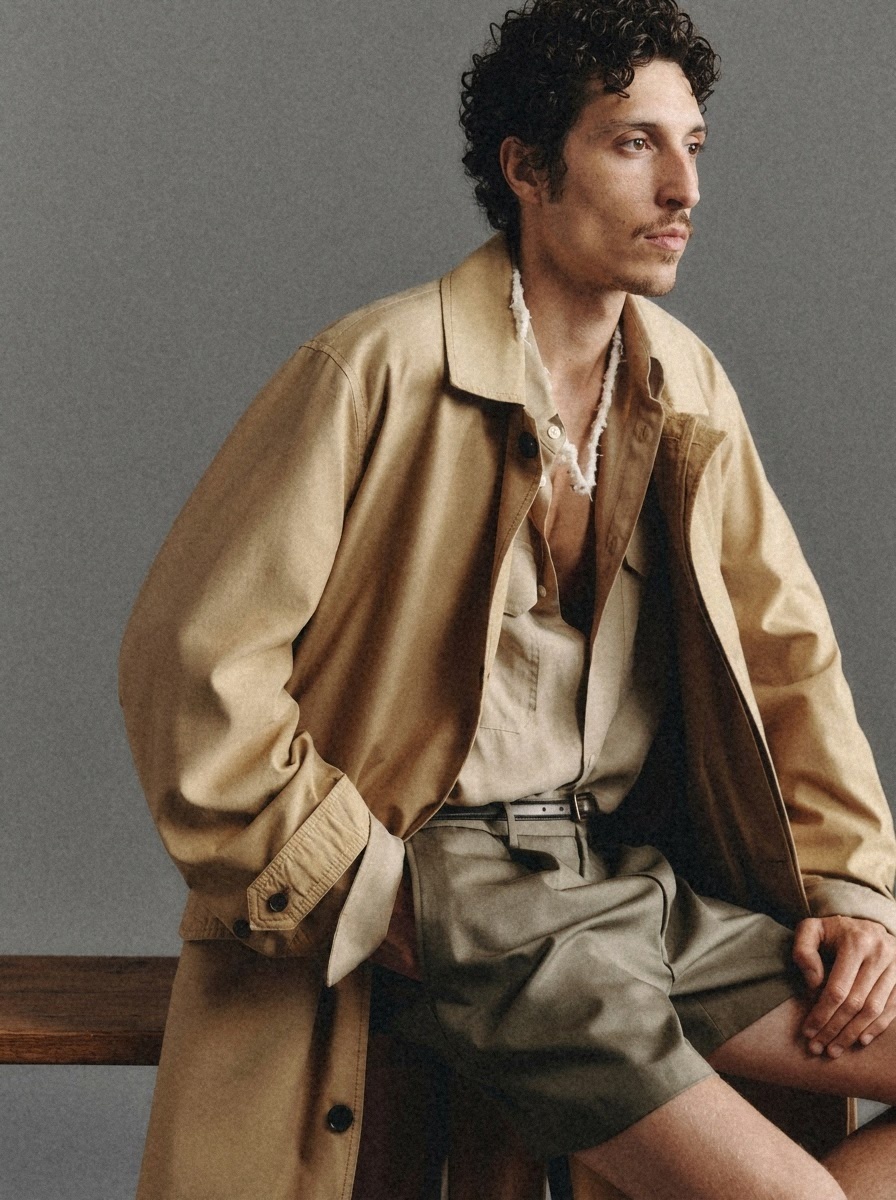
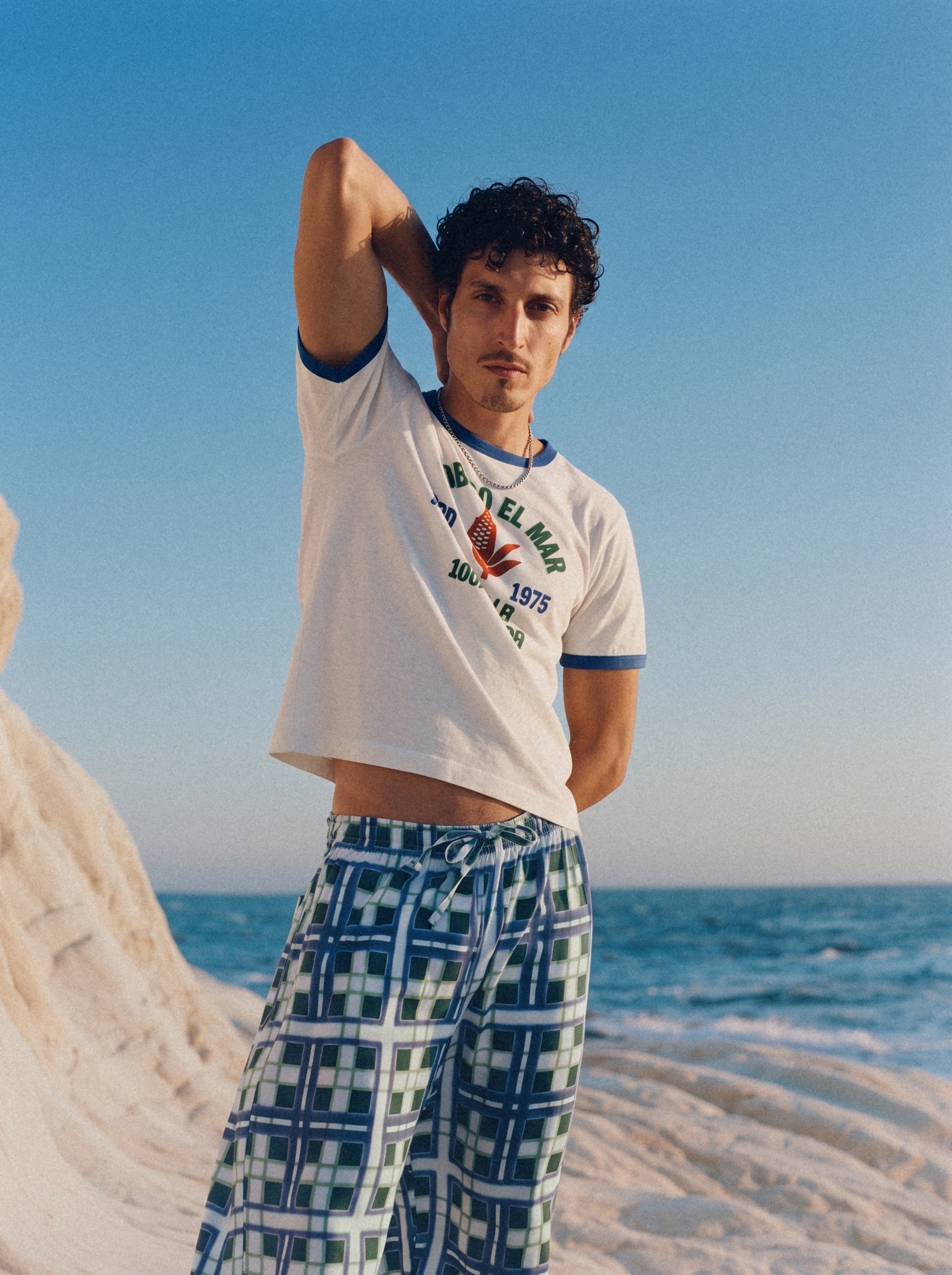
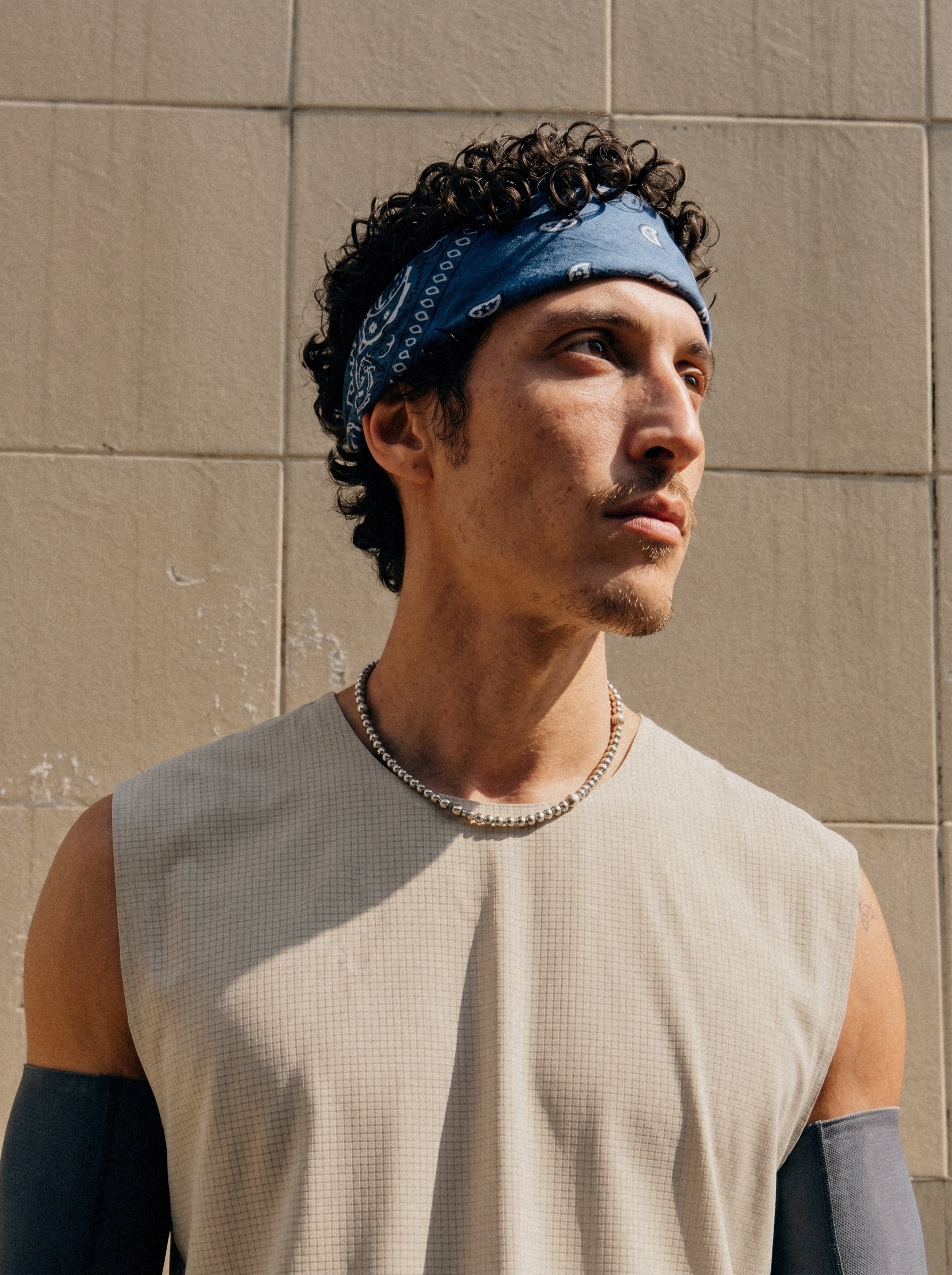
Skip: the mystery group shot. Use one later group photo at most, and only when you are obvious instantly.
Direct answer
Use four to six recent photos that each show something new.
Start with one unmistakable solo face photo. Then show body and style, a normal part of your life, a warmer expression, and one real personality cue. Cut repeated selfies, mystery group shots, old photos, and anything that looks like a different version of you.
Group-photo rule: never first, one at most, and only when you are obvious before anyone starts comparing faces.
Do not replace the whole profile just because one slot is weak. Find the biggest unanswered question and fix that photo first. Use the dating profile picture lineup guide when you need to decide what each remaining slot should prove.
Checklist
The mistakes that quietly hurt the profile.
- The first photo is a group shot, sunglasses photo, shadowy crop, or old picture.
- Every image is the same angle, so the profile never shows body, style, or normal context.
- The photos look impressive alone but too polished to trust as one believable person.
- The lineup has no warm or approachable photo, only status or intensity.
- The images do not match the way you would actually show up on a date.
Most weak profiles are not failing because every photo is bad. They fail because the photos repeat the same information. Five selfies can all be decent and still leave someone unsure about your height, style, current look, social energy, or whether the profile is recent.
Audit the lineup by what each photo shows, not by whether you personally like each image. Keep one clear face photo, one for body and style, one normal-life photo, one warmer photo, and one specific personality cue. Anything that does not add something useful is probably taking space from a stronger picture.
This also makes the audit less emotional. You do not have to decide whether you are photogenic or whether one image is objectively attractive. You only have to ask what the photo proves. If it proves the same thing as another picture, or if it raises more questions than it answers, it is probably the wrong slot even if the image itself is fine.
| Mistake | What it makes her wonder | Fastest fix |
|---|---|---|
| Unclear opener | Which man is this, and what does he look like now? | Lead with a recent solo face photo. |
| Only close selfies | What do his body, style, and normal life look like? | Add one believable wider photo. |
| Repeated angles | Does he have anything else to show? | Give every remaining slot a different job. |
| Old or inconsistent photos | Which version will turn up on the date? | Keep age, grooming, build, and style current. |
| Over-polished lineup | Is any of this real? | Mix strong options with honest real-life context. |
Fix the gap
Use AI to fill gaps, not to build a fake life.
If Tinder is the priority, use the AI Tinder photos guide. If Hinge feels random, start with Hinge photo order. If Bumble needs a warmer read, use AI Bumble photos.
The useful standard is simple: every image should make the profile clearer, more current, and more believable.
AI can help when the missing photo is obvious. If you have no clean first photo, create clear face options. If you never take full-body photos, create realistic wider crops. If your pictures look cold or too serious, test warmer expressions. But reject any output that creates a version of you that would feel surprising in person.
The final check is consistency. Your face, age, build, grooming, and general style should feel stable from photo to photo. A profile with one amazing image and four mismatched ones often feels less trustworthy than a simpler set where every picture clearly belongs to the same real person.
When in doubt, fix the biggest source of uncertainty first. If people cannot see your face, start there. If every photo is a close crop, add body and style. If the profile feels cold, add one warmer expression. Small targeted fixes usually help more than replacing the whole profile with a completely different visual identity.
Group photos
Use one group photo only when nobody has to guess which man is you.
Your first photo has one job: make you instantly recognizable. A group shot turns that into a guessing game. Put a clear solo photo first, then use one group photo later only if it adds real social context that the rest of the lineup cannot show.
- You should be obvious before anyone starts comparing faces.
- Use a recent photo where your current hair, build, and grooming still match.
- Keep the group small enough that the image still works on a phone screen.
- If the eye lands on somebody else first, cut the photo.
- One useful group photo is enough; the rest of the lineup should stay focused on you.
Current Tinder guidance says one group photo is fine when the rest are solo. Hinge says photos with friends can attract likes, but that does not make a crowded opener useful. The practical rule is simpler: social proof helps only after the viewer already knows who you are.
Leave the group shot out if it is old, blurry, mostly strangers, or your only evidence of having a life. A strong activity photo or relaxed solo photo can show more personality without making somebody solve the profile first.
Quick answers
Dating photo mistakes FAQ
What is the biggest dating photo mistake men make?
The biggest mistake is usually unclear trust signal, not one bad pose. If the first photo hides your face, every photo uses the same angle, or the lineup looks old or inconsistent, the profile creates doubt before the bio can help.
Should I replace every dating photo at once?
Not always. Start by identifying the missing photo: clear face, body and style, normal context, warmth, or personality. Replace the weakest gap first, then check whether the full lineup feels current and believable.
Are group photos bad on dating apps?
Not automatically. One later group photo can show a normal social life when you are immediately easy to spot. Do not lead with it, do not use a crowd, and remove it if somebody else becomes the focal point. A clear solo photo is better than social proof that creates confusion.
Next step