
Walk through the frame
Start two steps away, walk past your mark, and glance toward the camera for only one beat. Keep the pace slow enough for the phone to focus.
Dating profile poses for men
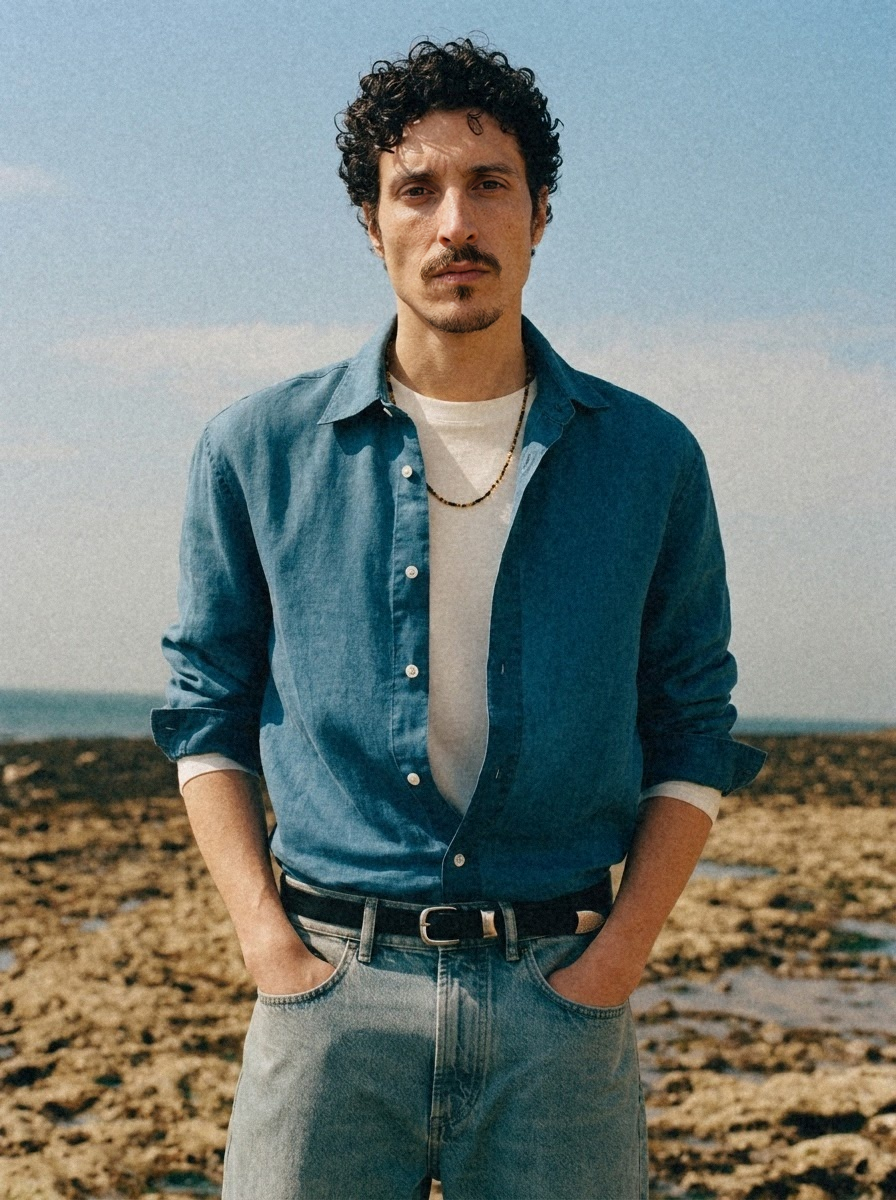
You do not need a model face or a catalogue pose. Give your body one simple job, keep the scene real, and capture movement instead of freezing until your hands and smile look weird.
Direct answer
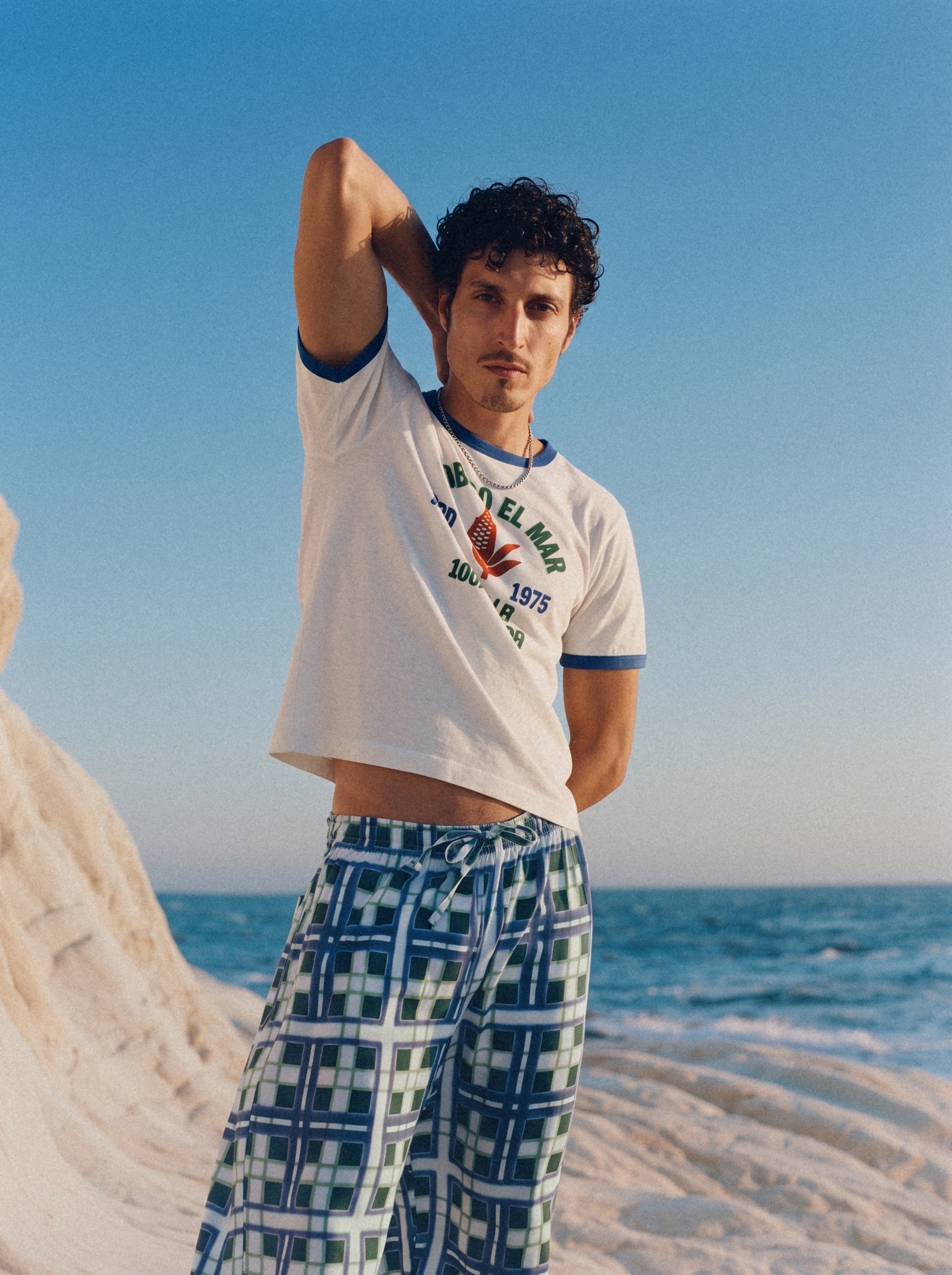
The best dating profile poses for men are barely poses. Walk, lean, sit, hold something real, or do an activity you already do. Those prompts give your hands, shoulders, and weight somewhere to go. That removes the blank instruction to “look natural,” which is exactly what makes most camera-shy guys lock up.
Think of it like physics: a body at rest becomes self-conscious. A body doing one easy thing creates real posture and small facial changes. Take a short batch and choose the frame where you look least aware of the camera. Do not judge your performance after every click.
This guide owns the pose problem. Use the complete profile lineup guide to decide which photo roles you still need and the men's dating-photo outfit guide to make the clothes fit the job.
Five prompts
Start two steps away, walk past your mark, and glance toward the camera for only one beat. Keep the pace slow enough for the phone to focus.
Put most of your weight on the leg farther from the camera. Let the other knee soften. A wall or railing can help, but do not collapse into it.
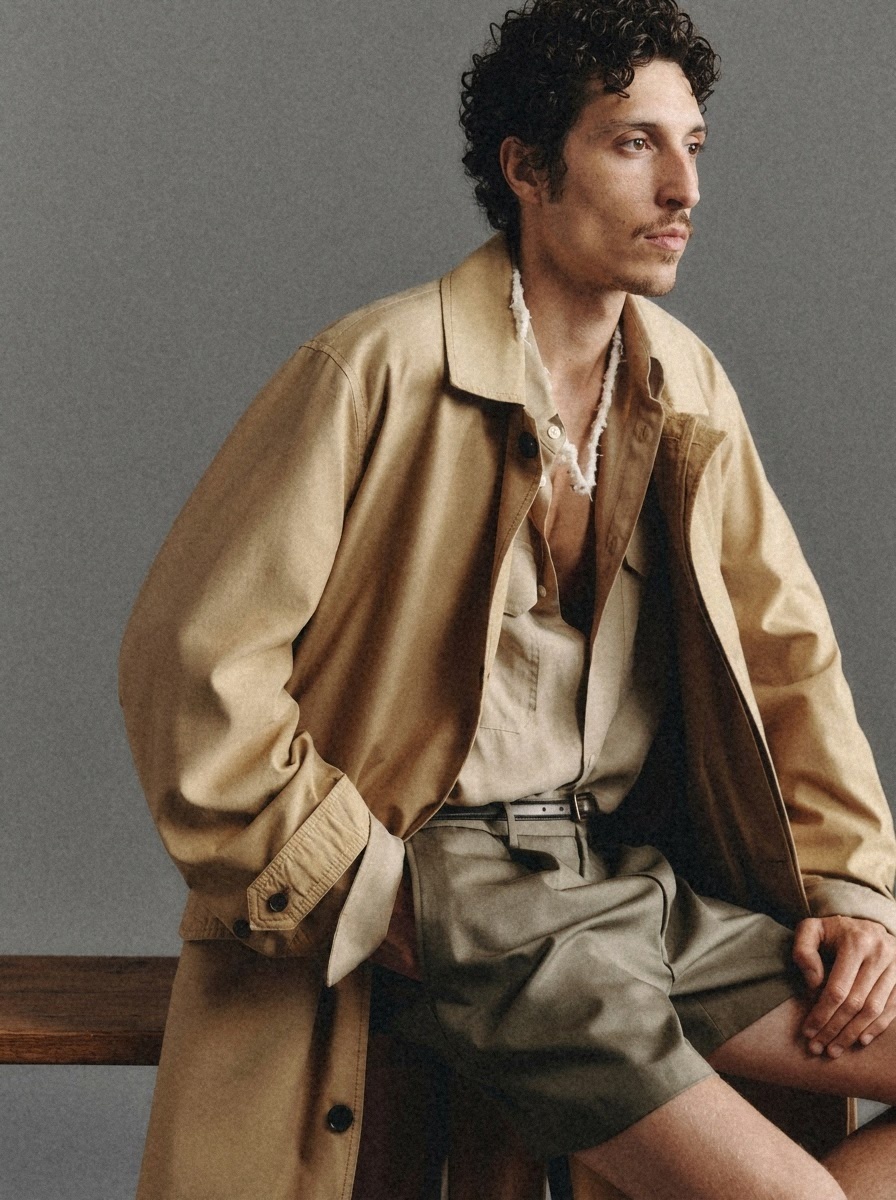
Turn your knees about 30 degrees away, sit near the front of the seat, and keep the spine long. Facing the camera squarely can make the frame look like an ID photo.
Use the coffee, jacket, book, tool, or dog lead that already belongs in the scene. If you bought a prop only for the photo, it will probably read like a prop.
Make coffee, tune the bike, browse a shelf, or prepare food. Slow the action down and let the camera observe it. Do not mime a hobby you cannot talk about.
Body-language check
| Body cue | Relaxed instruction | Forced-looking failure |
|---|---|---|
| Hands | Let one rest, use one loose pocket, or hold something that belongs there. | Both fists buried in pockets, fingers spread, or a random prop. |
| Shoulders | Exhale once, drop them, then turn the chest slightly off camera. | Shoulders pulled back like a military inspection or curled forward to hide. |
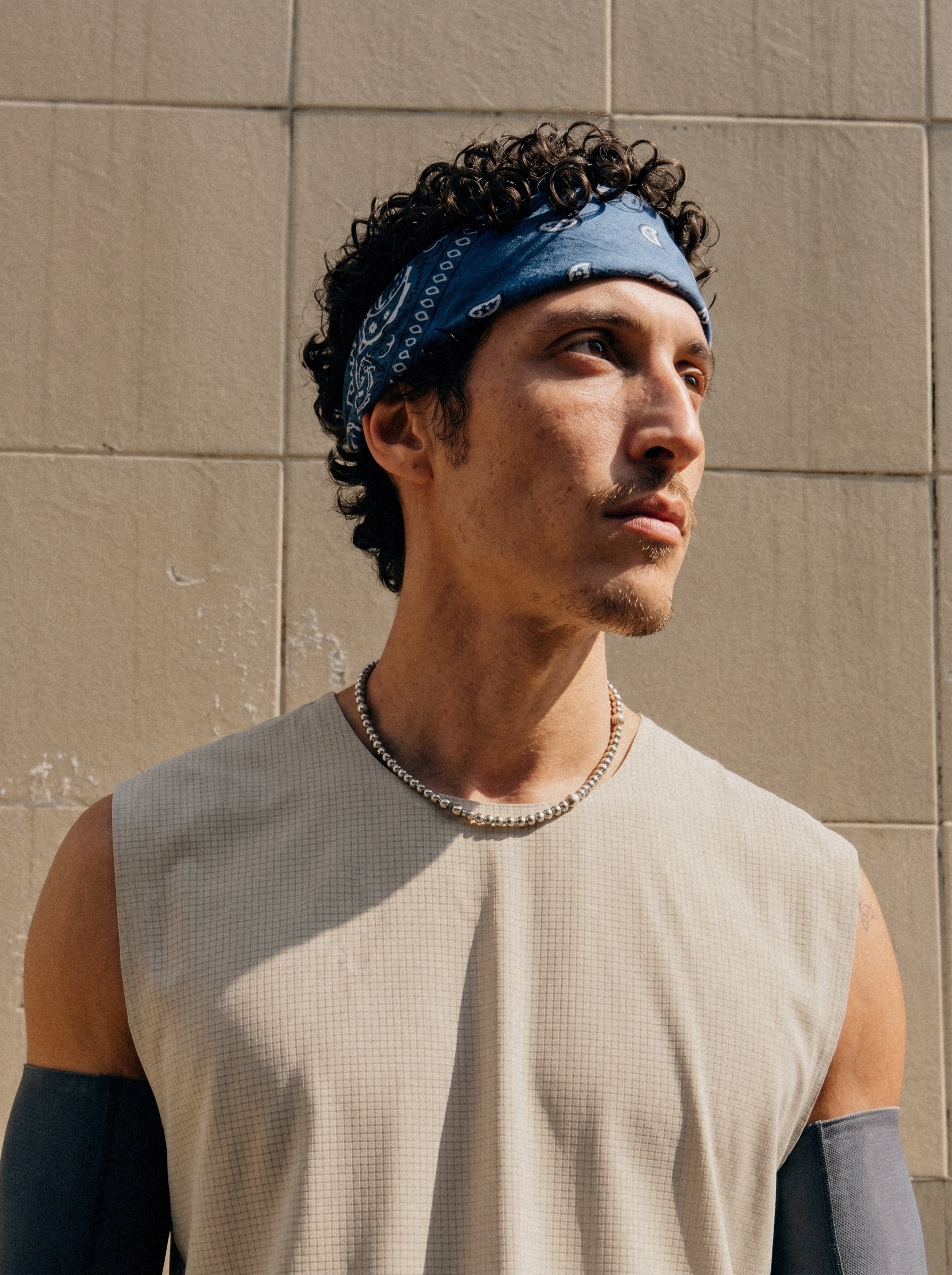
| Eyes | Look just past the lens, then back for one frame. | Staring hard into the camera for the whole burst. |
| Mouth | Breathe out and use a small smile or calm neutral expression. | Holding a giant grin until only the mouth is smiling. |
| Weight | Put it mainly on one leg or shift it during the burst. | Equal weight, locked knees, feet planted wide, and no movement. |
Burst workflow
Tell the friend to give physical prompts, not opinions. “Walk to the rail and look back” is useful. “Be confident” is useless. If you are alone, follow the exact setup in the DIY dating profile photo guide.
A short burst also makes the outtakes less personal. One stiff frame does not mean you look stiff; it means that frame caught the wrong tenth of a second. The job is selection, not proving you are naturally photogenic.
AI boundary
AI dating photos can give a camera-shy man more calm pose and setting options. Keep the results that look like you on a better camera day. Reject the ones that manufacture an extrovert, fake luxury, a hobby you do not have, or body language you would never use in person.
The same-person test matters more than whether an image looks impressive. Compare the result with the realism and identity checklist, and use the AI dating photo examples to separate believable improvement from costume energy.
For Vibeflirting inputs, upload 2–3 clear, recent headshots that closely match in appearance, crop, lighting, outfit, and simple backdrop. Add 1 clear, uncluttered full-body photo that shows your current build; its crop should not match the headshots. That low-variance rule is for the headshots; the final lineup can still use different roles, clothes, settings, and natural poses. The source-photo guide explains the distinction.
Quick answers
Use a pose that gives the body one normal job: walk, lean, sit at an angle, hold something real, or do a real activity slowly. The useful frame usually happens between the obvious poses.
Let one hand rest, use one loose pocket, touch a railing lightly, or hold something that belongs in the scene. Avoid two clenched fists, spread fingers, and props that exist only for the photo.
Use a burst or short video and move through the frame. Shift weight, look away, take a step, then look back. Choose the relaxed moment afterward instead of staring at the countdown.
It can create more pose options, but you still need to reject fake body language, identity drift, invented status, and settings you cannot own. The result should feel like you, not an actor playing you.
Next step