Men's dating photo outfits

What should men wear for dating profile pictures?

Fit and believability beat price, labels, and peacocking. Build three looks that answer three different profile questions: do I look clear, do I look put together, and does this outfit belong in my actual life?

Three outfits. Three different jobs.

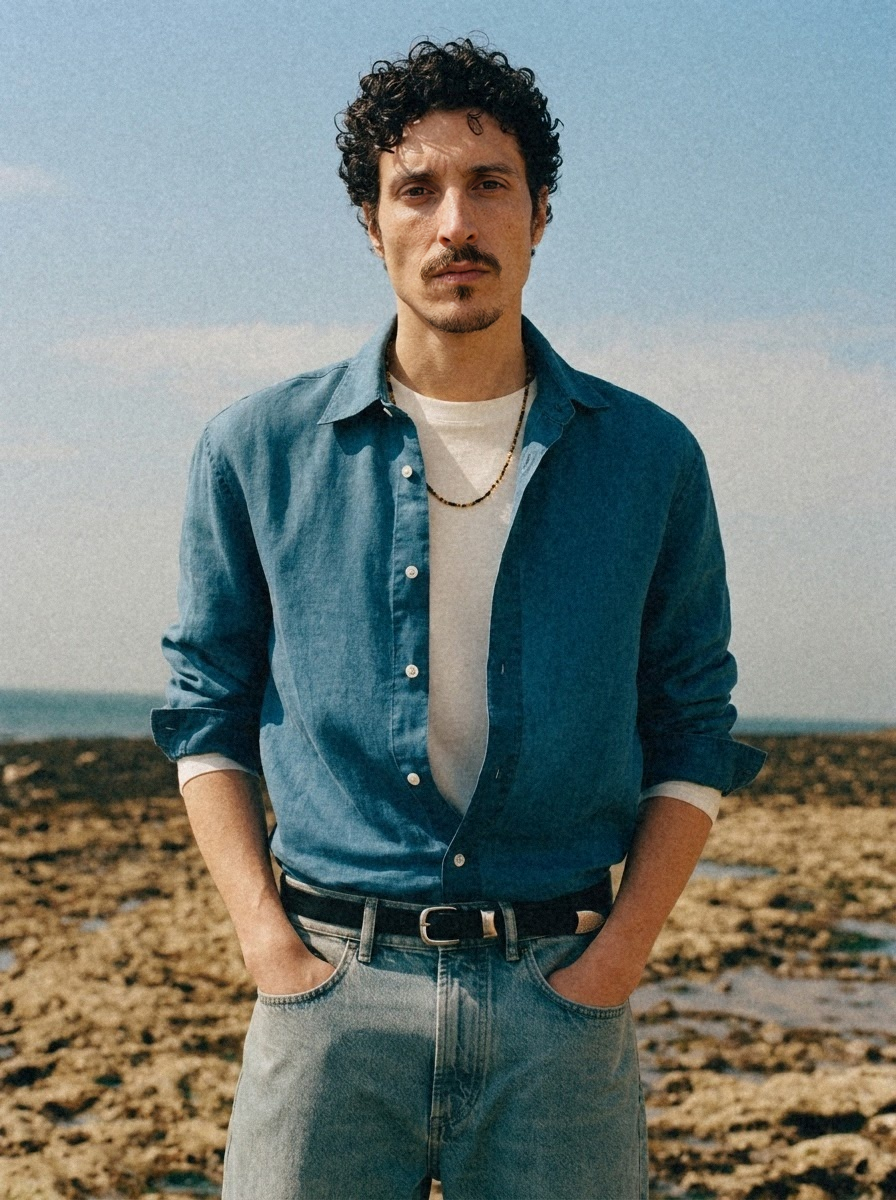
Clean everyday men's outfit for a dating profile opener
1. Everyday opener
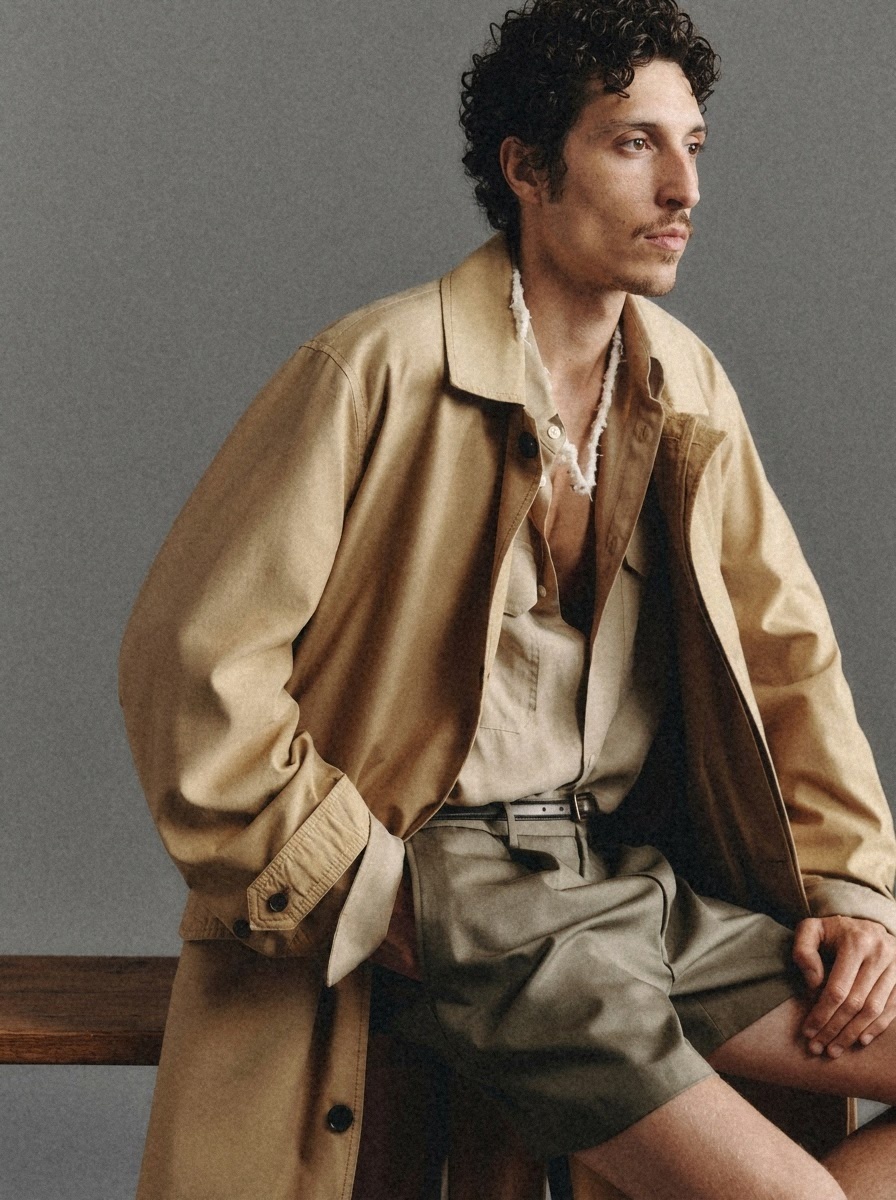
Layered men's outfit showing body and personal style
2. Body + style
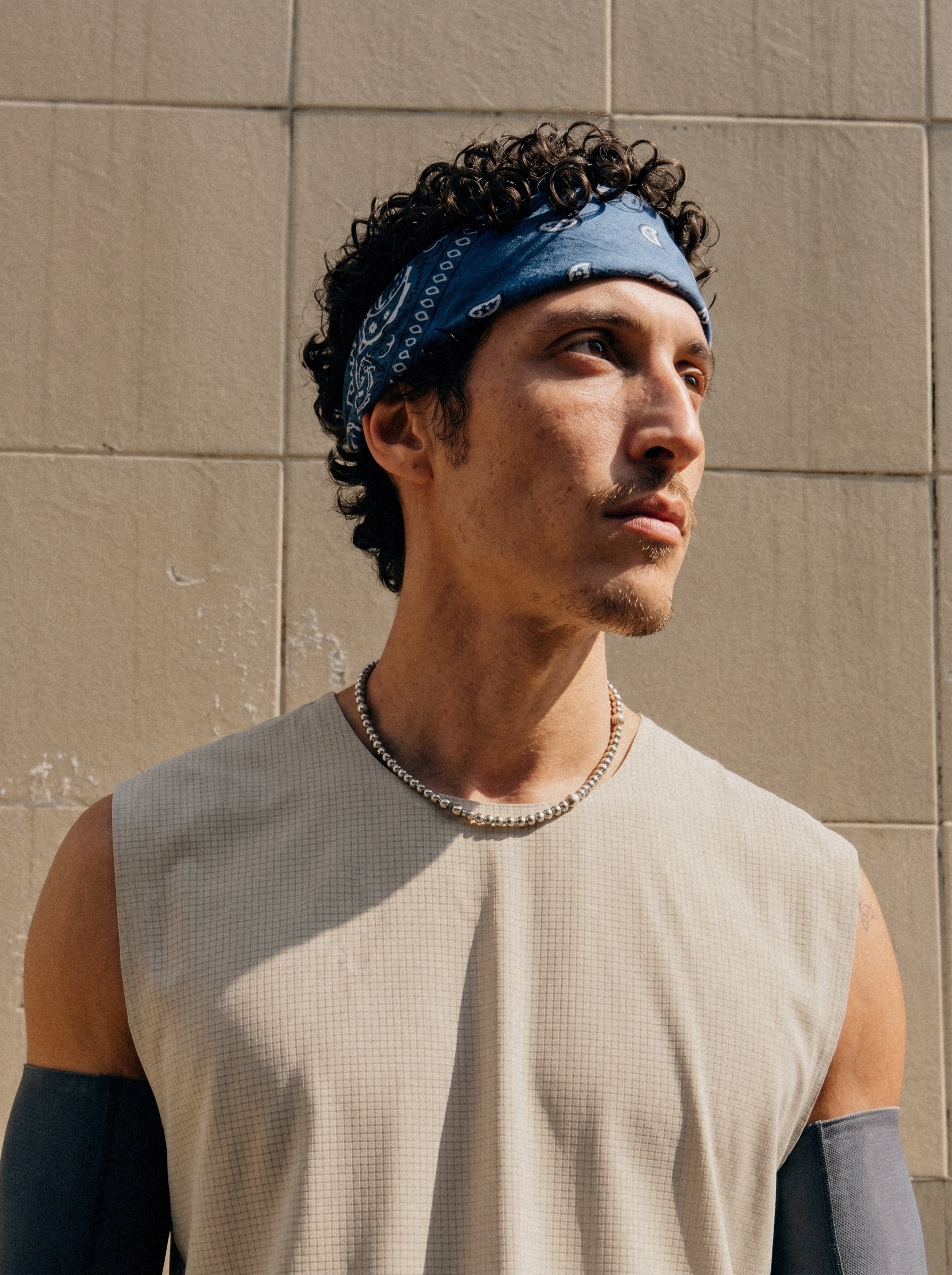
Dressed-up men's outfit in believable dating profile context
3. Real context

Skip: the borrowed costume, giant logo, fake-luxury uniform, and five photos from one outfit change.

Direct answer

Wear clothes that fit now and make sense in the frame.

Your dating-photo outfit does not need to prove that you know fashion. It needs to show your current body clearly, look clean on a phone screen, and match the place around you. A fitted T-shirt in a cafe beats a tuxedo beside a random apartment wall. A jacket you actually wear beats borrowed designer clothes that make the whole picture feel like an ad.

Start with three outfits: one simple everyday look, one layered look that shows body and style, and one context-specific look for a real dressed-up occasion or activity. You are answering “Do I look put together?” without creating “Did he borrow a costume?”

Clothing supports the lineup; it does not replace it. Use the dating profile picture role guide to decide which slots you need and the natural pose guide when the outfit is right but your body still looks stiff.

Three-outfit plan

Give every outfit a job instead of changing clothes at random.

1. Clean everyday opener

Wear a solid crewneck, polo, henley, knit, or casual button-down that fits the shoulders and does not pull at the chest. Keep the neckline clean and the face unobstructed. This look says current, normal, and easy to recognize.

2. Body-and-style layer

Add one overshirt, denim jacket, bomber, chore coat, or clean knit layer over a simple base. The open layer creates shape without hiding your build. Use a wider frame so trousers, shoes, posture, and proportions make sense together.

3. Real context look

Choose either a dressed-up outfit you could wear on a date or genuine activity clothes. That might be an unstructured blazer and open-collar shirt, hiking layers, kitchen clothes, or sportswear—only when the setting proves it belongs there.

These are roles, not mandatory items. If you always wear workwear, a chore jacket may be more honest than a blazer. If your real week is mostly smart-casual, a clean knit and trousers may do more than a graphic tee. The point is controlled variety: same man, three believable versions of how he actually shows up.

Match the photo job

The outfit, setting, and crop have to tell the same story.

Photo job Setting Outfit that works What looks try-hard or fake
Clear opener Simple wall, open shade, cafe exterior, or window light. Solid or low-contrast top with a clean neckline and current fit. Statement coat, sunglasses, giant logo, or clothes louder than the face.
Body + style Street, doorway, terrace, or simple interior with room for a wider crop. Base layer plus one open jacket or overshirt; trousers and shoes that belong together. Bulky layers hiding the body, empty suit, or gym clothes outside a gym context.
Warm date context Bar, restaurant, gallery, evening street, or home dinner setup. Clean knit, textured shirt, or relaxed blazer you could wear on an actual date. Tuxedo energy in a casual room, nightclub costume, or obviously borrowed luxury.
Activity The real place where the activity happens. Practical clothes with signs of use: hiking layer, apron, cycling kit, or team gear. Holding equipment without doing anything or wearing technical gear in a staged portrait.
Personality detail Bookshop, music room, workshop, market, or another familiar place. One distinctive piece you already own, supported by otherwise simple clothes. A full character costume that makes the wardrobe the only thing to discuss.

Rejection checklist

Cut the outfit when it creates more doubt than style.

  • Poor fit: shoulder seams hanging low, buttons pulling, trousers pooling, or sleeves swallowing the hands.
  • Giant logos: the eye reads the brand before it reads your face.
  • Wrinkles and neglect: steam the shirt, clean the shoes, remove lint, and check the collar.
  • Costume dressing: a suit, uniform, luxury piece, or subculture look you would never wear on a date.
  • Identical outfits: five photos from one session make the whole life look staged.
  • Fake luxury: borrowed watches, rented cars, and hotel-lobby theatre that cannot survive a normal conversation.
  • Context fight: heavy coat on a beach, gym kit in a restaurant, or formalwear in a random kitchen.
  • Appearance hiding: hats, huge collars, dark glasses, or layers that conceal how you look now.

Check the photo at thumbnail size. Can you still see your face, body shape, and general style, or has the outfit become the whole event? The dating photo mistakes checklist helps audit the rest of the lineup after the clothing pass.

AI boundary

Generate clothes you could plausibly wear and inhabit.

The exact garment does not need to be hanging in your wardrobe already. It does need to fit your real taste, body, budget, and life well enough that meeting you does not feel like receiving a different product. Use AI to test a cleaner jacket, stronger fit, or missing dressed-up photo—not to manufacture a private-club identity you cannot own.

Inspect collars, buttons, pockets, cuffs, zippers, hands, and the way fabric meets the body. Reject broken construction and any outfit that changes your build or makes the setting unbelievable. The AI dating photo realism guide gives the full same-person and rendering check.

Use the realistic examples guide for inspiration, then borrow only the useful idea: fit, layer, crop, or setting. Do not copy the lifestyle around it. The result should look like a strong photo from your life, not evidence from a life you invented.

Source-photo clarification

Keep outfit variety in the outputs, not random training inputs.

Vibeflirting's current source-photo rule is deliberately narrow: upload 2–4 clear, recent face photos that closely match in current appearance, crop, angle, expression, lighting, outfit, and simple backdrop where practical. Two strong matched photos beat four mixed photos.

That does not mean your final dating profile should repeat one shirt. The face-training inputs teach one stable identity target. Generated outputs and final selection create the clothing variety. Use the source-photo checklist before uploading and keep this page open when choosing output styles and final profile roles.

If you are shooting real photos instead, change outfits between the role batches, not between every frame. That gives each outfit enough attempts to produce one relaxed keeper while keeping the final lineup from looking like a single 20-minute photoshoot.

Quick answers

Men's dating profile outfit FAQ

What should men wear for dating profile pictures?

Use a clean everyday opener, one layered body-and-style look, and one dressed-up or activity-specific outfit that belongs to your real life. Fit, grooming, and setting matter more than labels.

Should every dating photo use a different outfit?

No. Two or three outfits are usually enough for a useful lineup. Repeat a look when the photo job changes, but avoid making every slot look like it came from the same staged session.

Are logos or luxury clothes good for dating photos?

Small normal branding is fine. Giant logos, borrowed status pieces, and fake-luxury scenes distract from your face and can make the whole profile feel less believable.

Should my AI source photos use different outfits?

Not for the current Vibeflirting workflow. Keep the 2–4 face inputs closely matched where practical. Build clothing variety through generated outputs and the final profile lineup.

Next step

Build three believable looks instead of one borrowed character.