
Realistic AI dating photos
AI dating photos can work. Fake-looking ones work against you.
Better light, framing, and context can fix a weak camera roll. A different face, body, age, or lifestyle is not an upgrade. It is a trust problem waiting for the first date.
One person. Four believable roles.
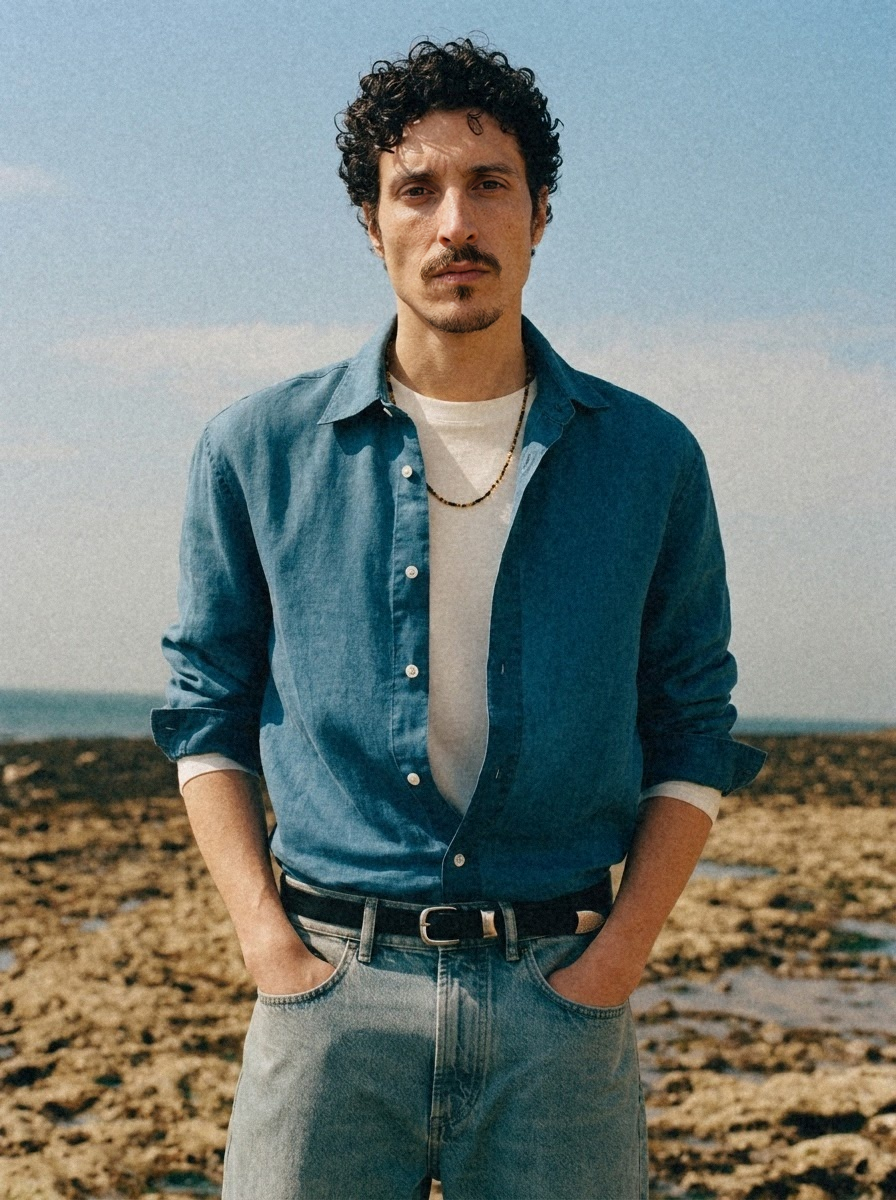
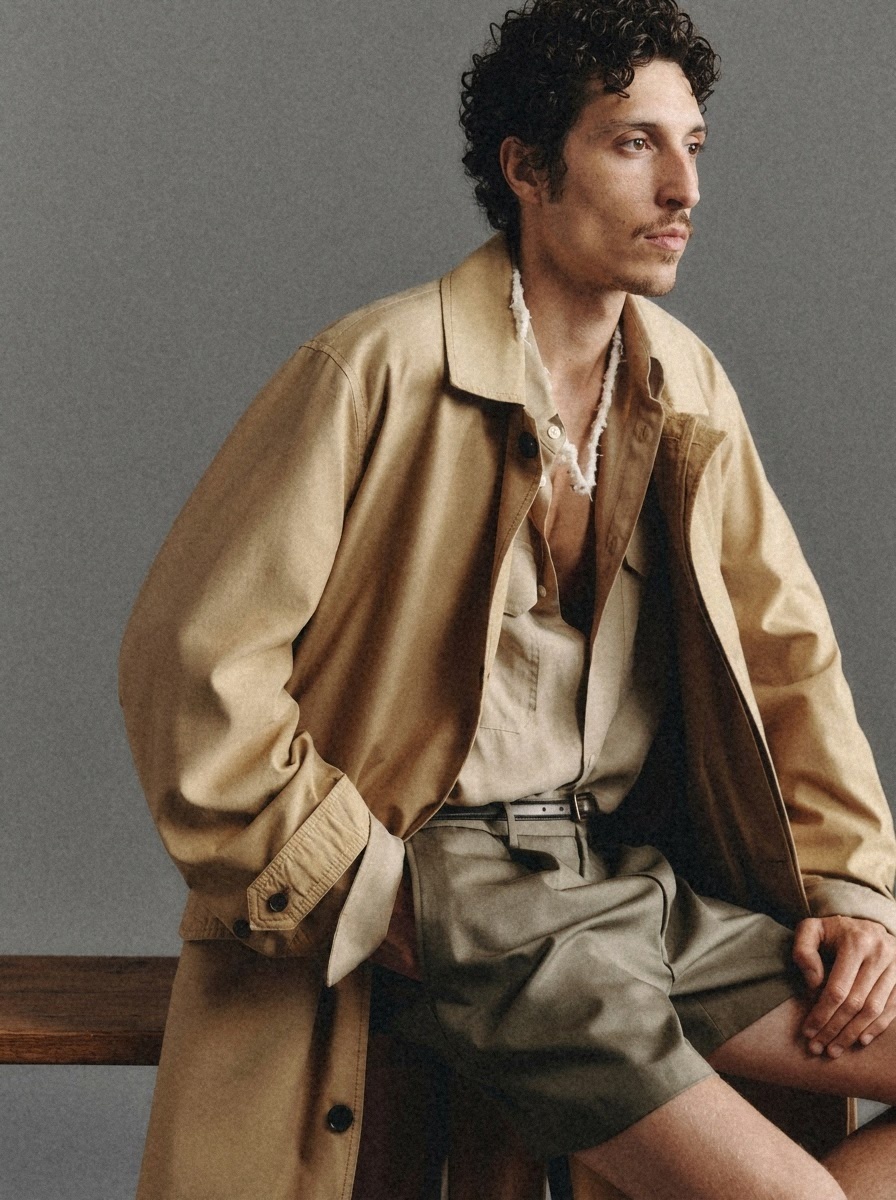
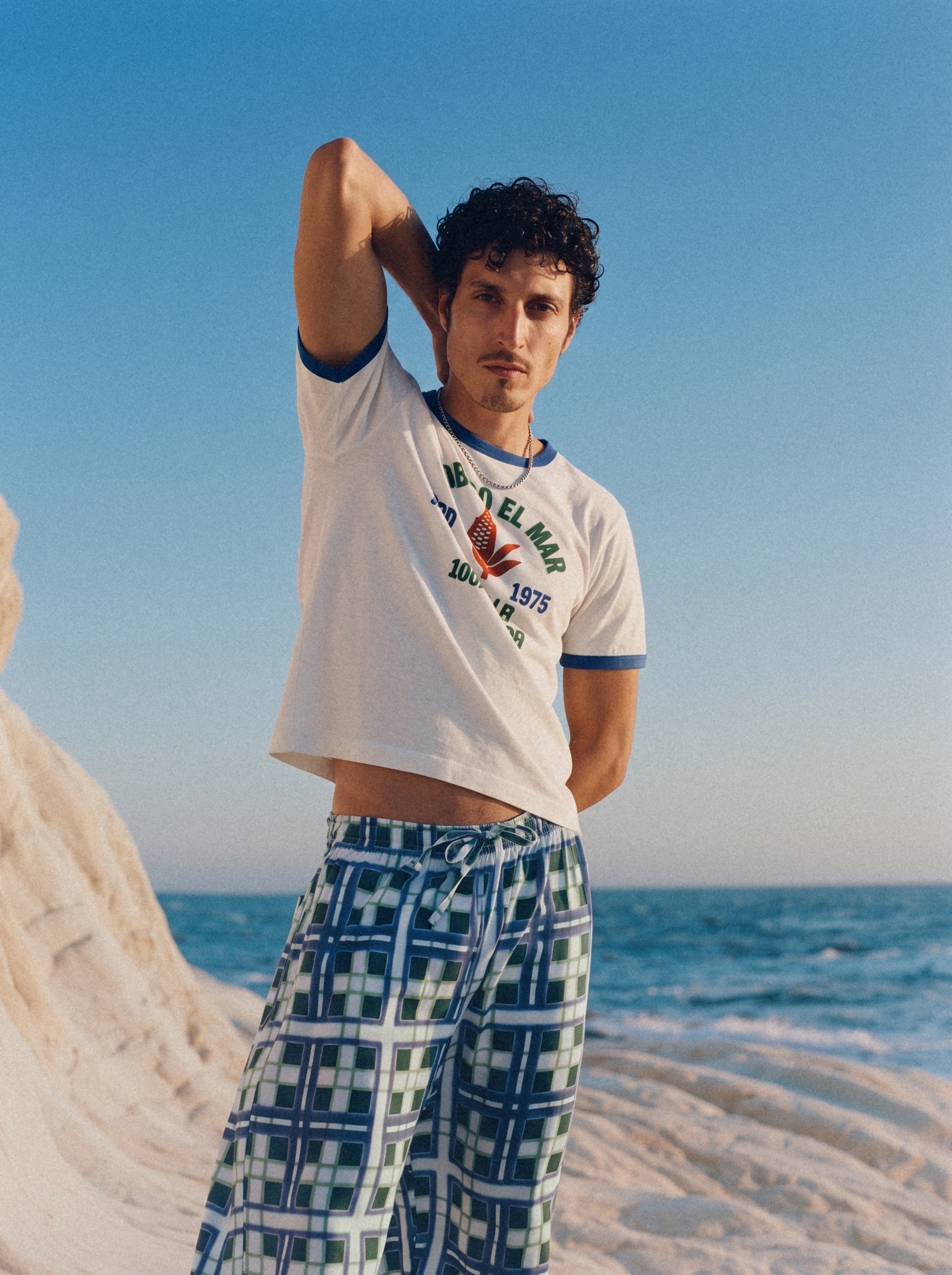
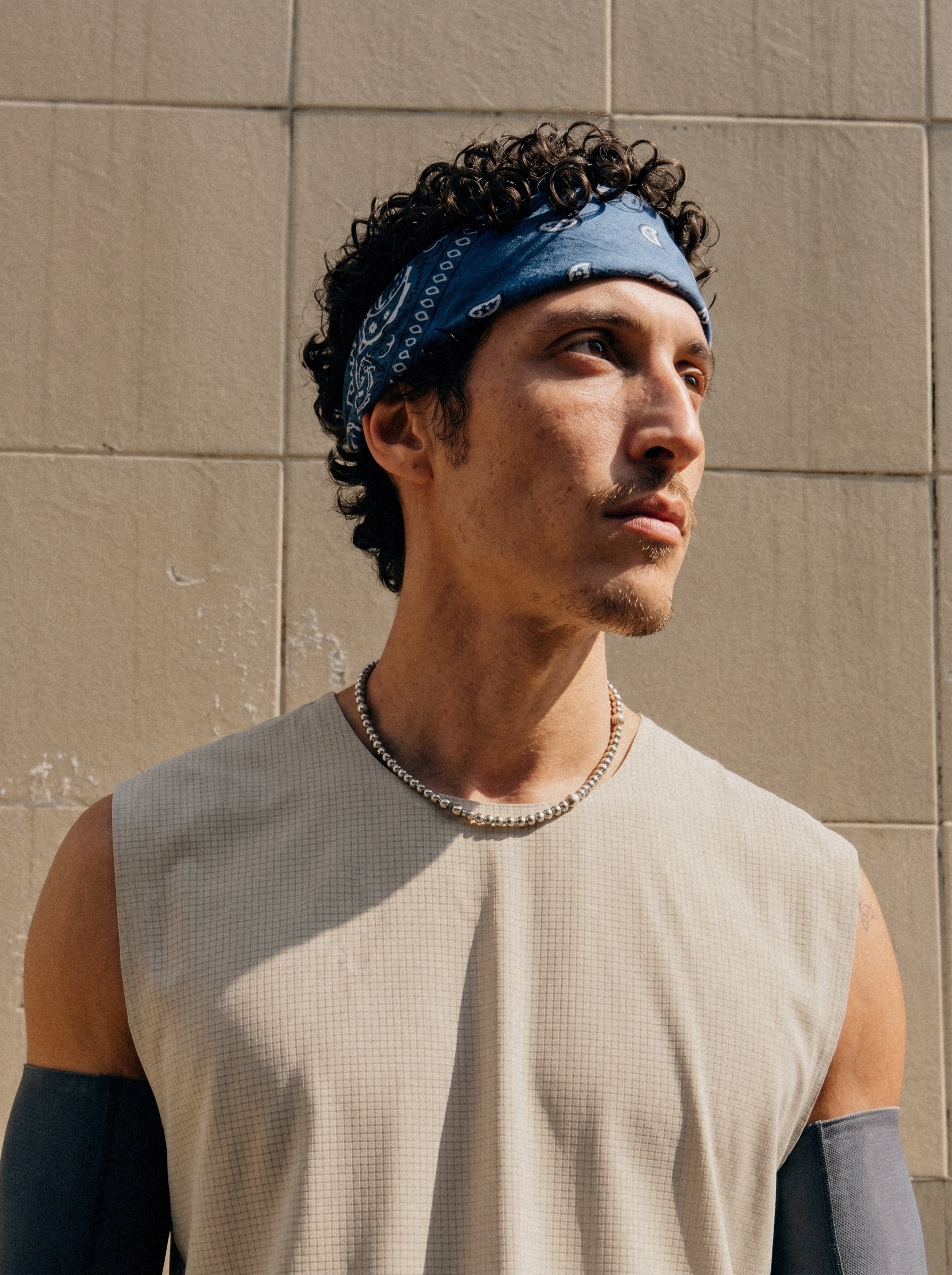
The honest answer
The answer nobody selling AI photos wants to give.
AI dating photos can create more usable options. They cannot promise matches, and they cannot rescue a picture that no longer looks like you. Better lighting and context can help a weak camera roll. A new jaw, body, age, or lifestyle cannot.
Think of the result like a simple experiment: if the image wins a swipe but loses recognition, it failed. The same rule applies whether the giveaway is plastic skin, a fake penthouse, or a face your own friend has to study.
What “works” actually means
Run four tests before a photo earns a profile slot.
| Test | Pass | Fail | Why it matters |
|---|---|---|---|
| Recognition | A friend names you instantly. | “Is that supposed to be you?” | Identity comes before polish. |
| Current appearance | Same age, body, hair, and facial hair. | An idealized or stale version of you. | The date meets the current person. |
| Plausible life | A normal place, outfit, and activity. | A yacht, job, hobby, or penthouse you do not have. | Fake status is still fake. |
| Profile consistency | It fits beside your current real photos. | Every slot looks like a different shoot or person. | People judge the set, not one image. |
The 10-second fake-photo inspection
Check the person, the pixels, and the story.
Put the result beside two clear, recent photos. Do not stare at it until you can talk yourself into using it. Scan the identity, the rendering, and the story it tells.
- Check face shape, jaw, nose, eyes, hairline, teeth, and body.
- Zoom once on skin texture, hands, accessories, background text, and shadows.
- Compare hair, facial hair, and grooming across the whole lineup.
- Ask whether you would really wear the outfit or be in that setting; use the outfit guide when the clothing is the doubt.
- Finish with one question: would tomorrow's date feel surprised?
Why good inputs beat more inputs
The model is learning your identity. Stop giving it random variance.
Start with 2–3 clear, recent headshots that closely match in current appearance, crop, angle, expression, lighting, outfit, and simple backdrop. Add 1 clear, uncluttered full-body photo so the model also sees your current build.
This low-variance rule is for the face-training inputs. The final profile should still show varied photo roles and real-life context. If you need examples of that distinction, compare the realistic AI dating photo examples with the source-photo checklist.
What Vibeflirting does—and does not claim
More attempts improve choice. They do not make every result usable.
Vibeflirting packages are defined by styles: Base includes 1, Pro includes 3, and Ultra includes 8. Each selected style explores one visual direction through multiple generation approaches. You review the results in Gallery and reject identity drift.
Vibeflirting does not promise a match-rate lift. It gives you more results to judge against the same-person test. Read how the AI dating photo process works and what each package costs before deciding whether that tradeoff is worth paying for.
Use the whole-profile test
Nobody should have to solve whether your profile is real.
Your lineup needs enough current, believable context that nobody has to solve whether you are real. If every image is glossy, staged, or from a life you do not live, the profile has already lost the trust test.
There is no honest universal AI-to-real-photo ratio. Judge the complete set. Keep the same identity, current appearance, and plausible life across every slot. Then use the app-specific guides for Tinder, Hinge, and Bumble to give each photo a job.
Current trust questions
What buyers ask before using AI dating photos.
Do AI dating photos actually work?
They can create more usable options when the results still look like your current self and fit your real life. They cannot promise matches. If the image wins a swipe but loses recognition, it failed.
How can you tell if a dating-app photo is AI?
Check the face, hairline, teeth, skin texture, hands, accessories, background text, and shadows. Then run the stronger profile-level test: does the person, grooming, and lifestyle match the other photos and the person who would arrive tomorrow?
Is using AI dating photos catfishing?
Not automatically. It becomes misleading when the image changes your identity, age, body, hair, or lifestyle. If a date would feel surprised by the difference, reject it. See the full AI dating photo red-flag checklist and the practical disclosure guide.
Do dating apps ban AI photos?
Platform policies and enforcement change. Check the current rules for each app before uploading. Do not assume an image is allowed, undetectable, verification-safe, or ban-safe.
How do you make AI dating photos look realistic?
Start with 2–3 clear, recent, closely matched headshots plus 1
clear, uncluttered full-body photo. Then reject every result that
changes your identity, body type, or invents a life
you do not live. More options help only when the review stays
strict.
Check the source-photo requirements
Should every photo in my profile be AI-generated?
There is no honest universal ratio. Your complete lineup needs enough current, believable context that nobody has to solve whether you are real. Every image should fit the same person and plausible life.
The same-person rule